Introduction
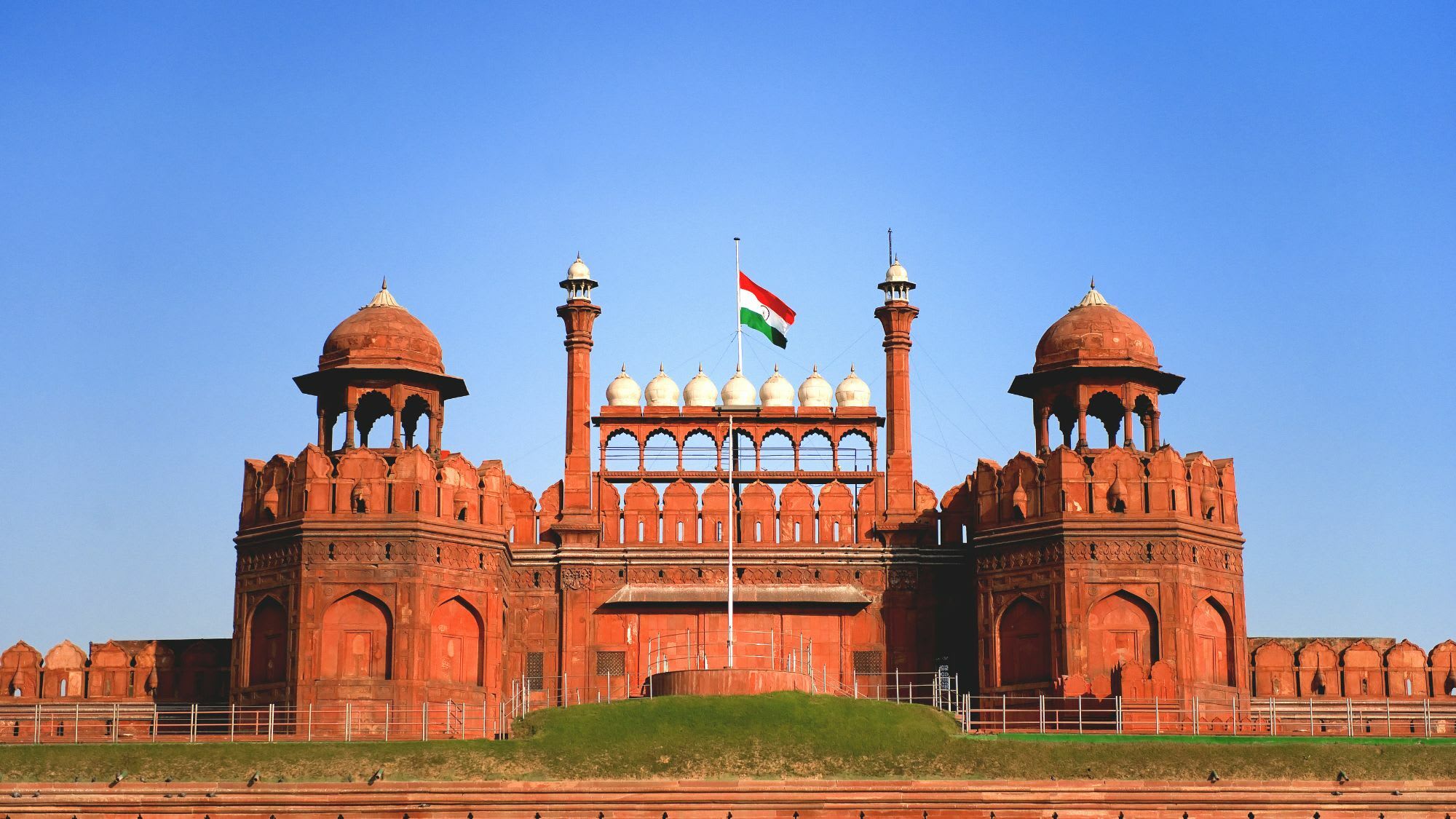
The Red Fort, popularly known as Lal Qila, is one of the most important historical monuments in India. Located in the heart of Old Delhi, this magnificent fort was built by Mughal Emperor Shah Jahan in 1648. Constructed using red sandstone, the fort served as the main residence of Mughal emperors for nearly two centuries.
Today, the Red Fort stands as a powerful symbol of India’s rich history and independence. Every year on 15th August, the Prime Minister of India hoists the national flag here to celebrate Independence Day.
Historical Background
Construction of the Red Fort began in 1638 when Shah Jahan shifted his capital from Agra to Delhi. The fort complex was designed as a grand palace-city surrounded by massive defensive walls. It became the political and cultural centre of the Mughal Empire.
After the decline of the Mughal Empire, the British took control of the fort in 1857. During British rule, many original structures were damaged. However, the fort continued to remain historically significant.
Architecture of Red Fort
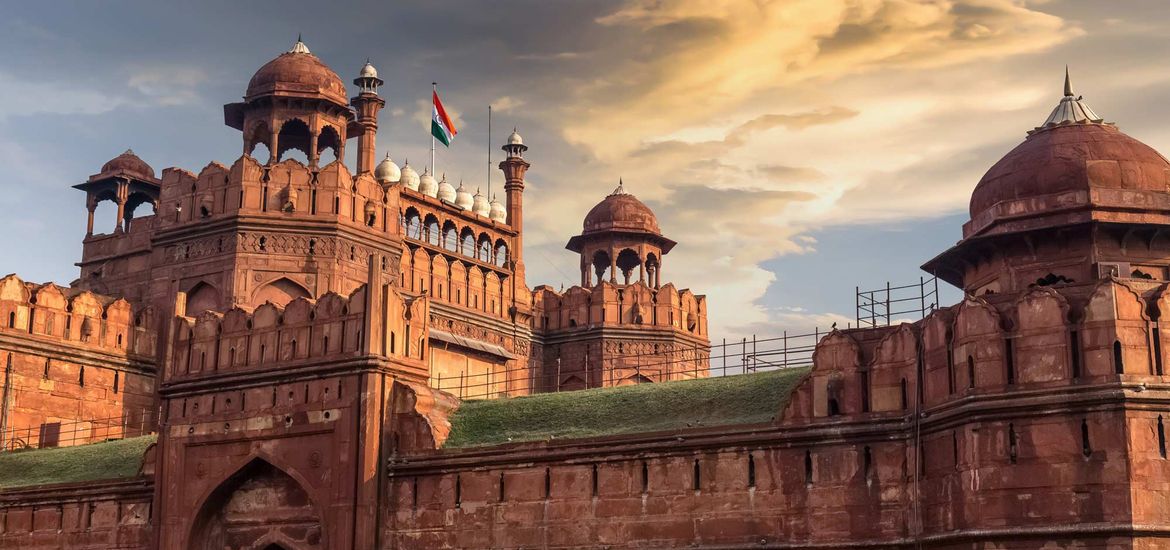
The Red Fort is an excellent example of Mughal architecture influenced by Persian, Timurid and Indian styles. The entire complex is spread over a large area and surrounded by 2.5 km long walls.
Lahori Gate
The main entrance of the fort, Lahori Gate, faces the bustling Chandni Chowk market. It is also the site from where the Prime Minister addresses the nation on Independence Day.
Diwan-i-Aam
This Hall of Public Audience was used by the emperor to meet common citizens and hear their complaints.
Diwan-i-Khas
The Hall of Private Audience was reserved for royal meetings and special guests. It once housed the famous Peacock Throne.
Rang Mahal
Rang Mahal was the residence of royal women and is known for its decorative interiors.
Mughal Gardens
The fort also contains beautiful Mughal-style gardens that represent paradise as described in Islamic architecture.
Cultural and National Importance
The Red Fort is deeply connected to India's freedom struggle. In 1947, after India gained independence, the national flag was hoisted here for the first time. Since then, the Independence Day celebration at Red Fort has become a national tradition.
In 2007, UNESCO declared the Red Fort a World Heritage Site due to its outstanding universal value.
Light and Sound Show
The Red Fort hosts an evening light and sound show that narrates the history of Delhi and the Mughal Empire. The show uses dramatic lighting and narration to recreate historical events.
Travel Guide
- Location: Old Delhi, India
- Timings: 9:30 AM – 4:30 PM (Closed on Monday)
- Ticket Price: ₹50 (Indian Visitors Approx)
- Best Time to Visit: October to March
Visitor Tips
- Visit during winter months for comfortable weather.
- Carry valid ID for ticket purchase.
- Arrive early to avoid long queues.
- Explore nearby attractions like Jama Masjid and Chandni Chowk.
Conclusion
The Red Fort is not just a historical monument but a symbol of India's pride and resilience. Its majestic walls, royal halls and cultural importance make it one of the most visited landmarks in India. Whether you are a history enthusiast or a traveler exploring Delhi, the Red Fort offers a memorable experience.