Introduction
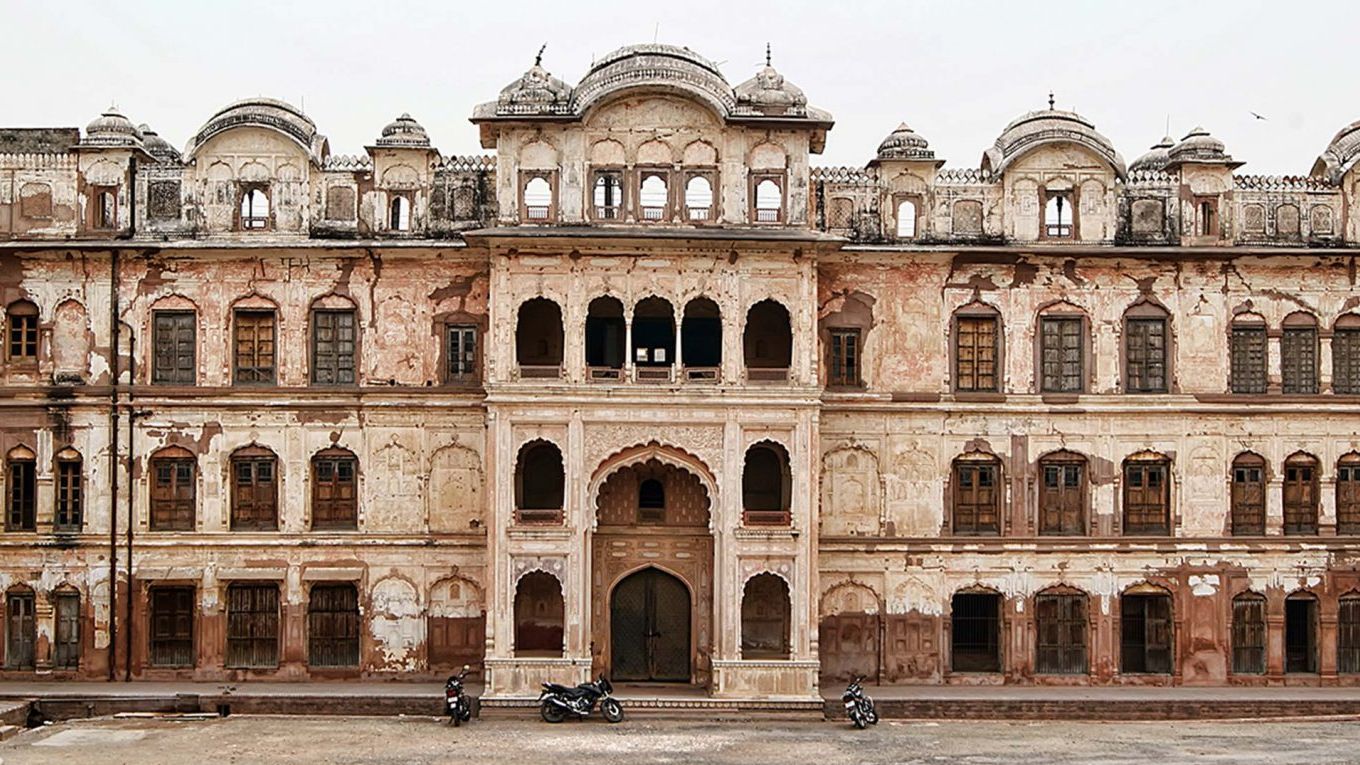
Patiala Fort, popularly known as Qila Mubarak, is one of Punjab’s most important historical landmarks. Located in the heart of Patiala city, the fort represents the royal heritage and military strength of Sikh rulers.
The palace complex combines Mughal elegance, Rajput craftsmanship and Sikh architectural traditions, making it a unique monument in North India.
Historical Background
Qila Mubarak was established in the 18th century by Baba Ala Singh, founder of the Patiala royal dynasty. Initially constructed as a mud fort, it was later rebuilt using brick and stone.
The fort became the royal residence of Patiala rulers and played a major role in regional administration and politics.
During the Sikh princely era, Patiala emerged as one of the most influential states in Punjab.
Architecture and Layout
The complex includes several courtyards, royal halls and residential sections.
- Qila Androon : Inner residential palace.
- Darbar Hall : Used for royal ceremonies.
- Decorated gateways : Featuring arches and fresco work.
- Balconies and jharokhas : Traditional royal viewing spaces.
Beautiful fresco paintings and decorative motifs reflect cultural exchange between Mughal and Sikh art traditions.
Sheesh Mahal and Cultural Importance
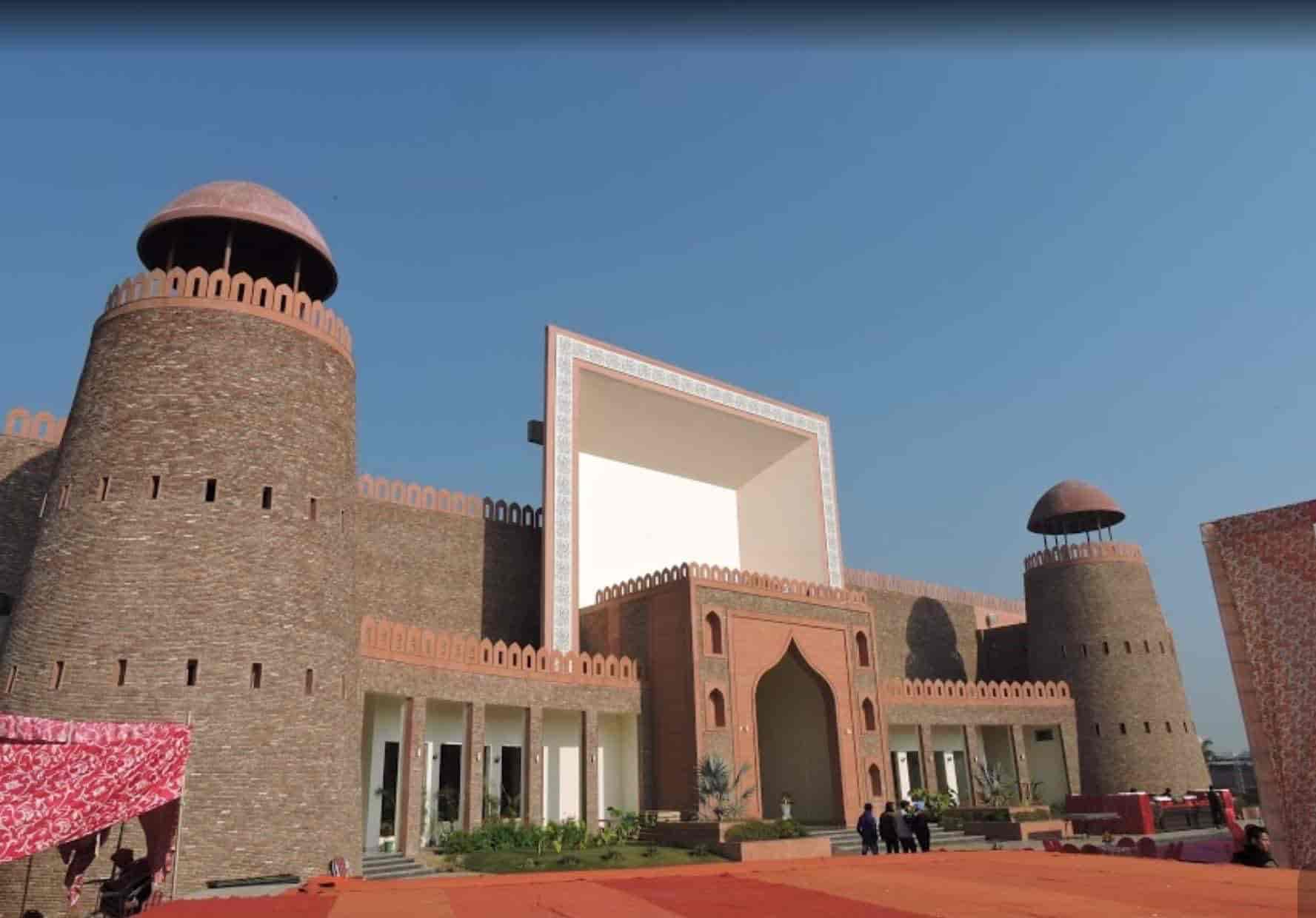
One of the most famous attractions associated with Patiala royalty is the Sheesh Mahal, known for intricate mirror work and artistic paintings.
The fort symbolizes Sikh pride, royal governance and cultural patronage of art and music.
Travel Guide
- Location : Patiala Punjab
- Timings : 10:00 AM – 5:00 PM
- Entry Fee : Nominal charge
- Best Season : October to March
- Nearest Railway : Patiala Junction
Visitor Tips
- Visit during winter for comfortable sightseeing.
- Explore nearby Sheesh Mahal Museum.
- Carry water during summer visits.
- Photography lovers should visit early morning.
Conclusion
Patiala Fort stands as a powerful reminder of Punjab’s royal past. Its architecture, history and cultural legacy continue to attract travelers interested in Sikh heritage.