Introduction
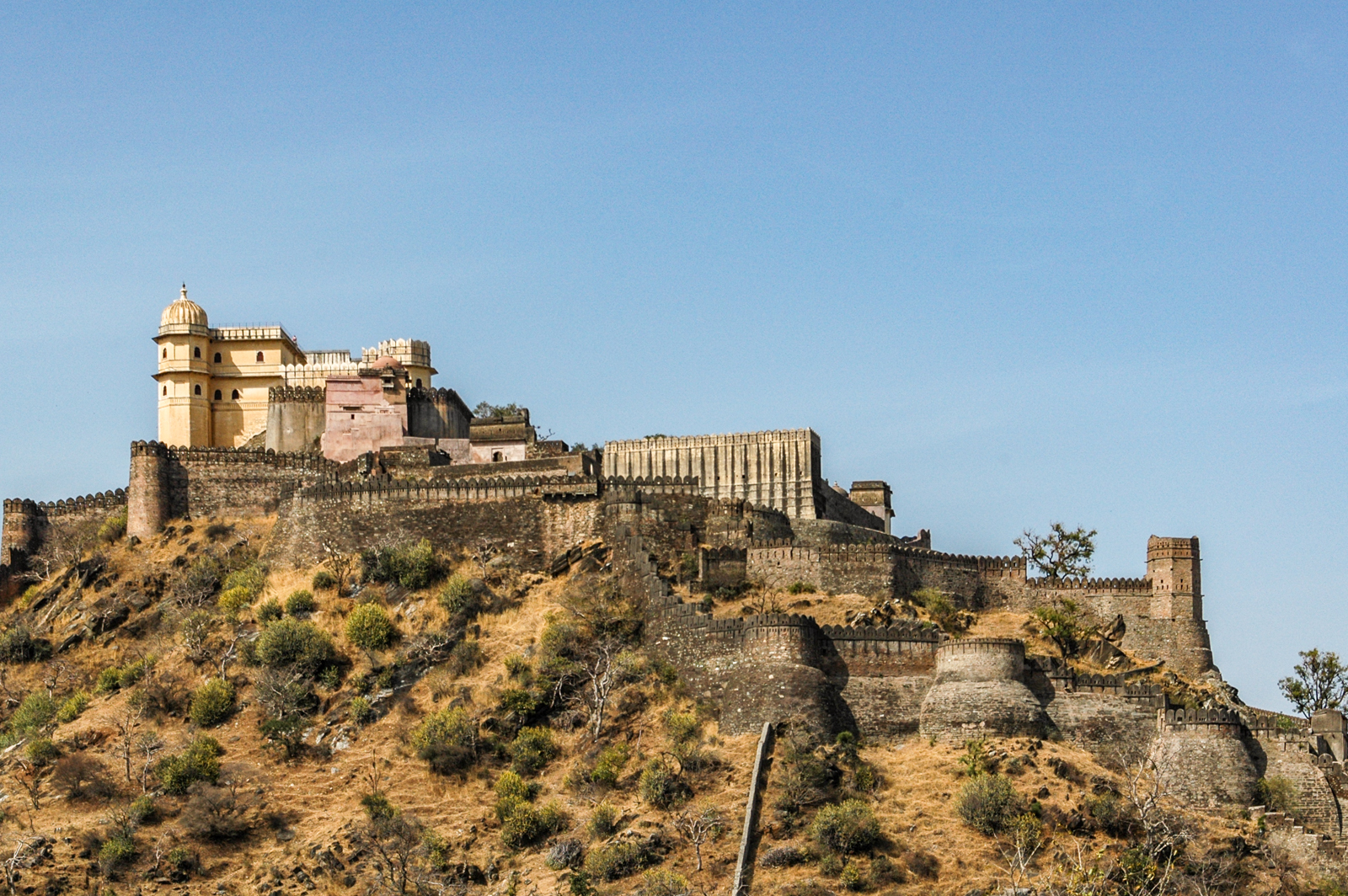
Kumbhalgarh Fort is one of the most remarkable hill forts in Rajasthan and a UNESCO World Heritage Site. Located deep within the Aravalli hills, the fort is famous for its massive defensive wall stretching over 36 kilometers, making it the second longest continuous wall in the world after the Great Wall of China.
The fort symbolizes Rajput strength, strategic military planning and architectural brilliance. Its remote location and powerful defenses made it almost impossible to conquer.
Historical Background
Kumbhalgarh Fort was built during the 15th century by Rana Kumbha, one of the greatest rulers of the Mewar kingdom. Construction reportedly took more than 15 years to complete.
The fort served as a safe refuge during times of war. Many rulers of Mewar sought shelter here when enemy forces attacked Chittorgarh.
Kumbhalgarh is also famous as the birthplace of Maharana Pratap, one of the most respected Rajput warriors known for resisting Mughal expansion.
The Great Wall of India
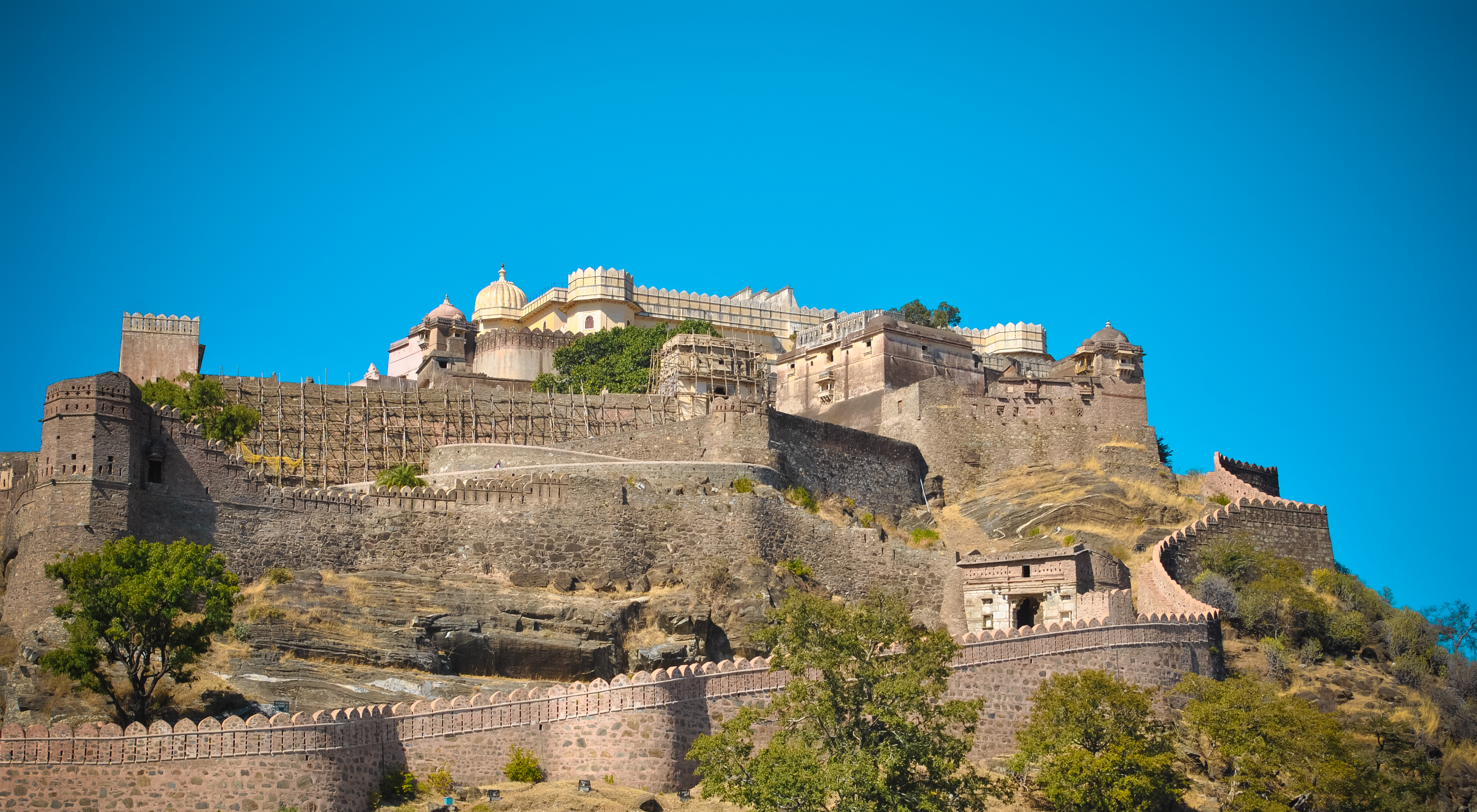
The massive wall surrounding Kumbhalgarh Fort stretches approximately 36 kilometers across mountains and forests. Its width is so large that eight horses could reportedly walk side by side.
The wall includes watchtowers, gates and defensive structures designed to monitor approaching enemies. This extraordinary engineering achievement earned it the nickname “The Great Wall of India.”
Architecture and Important Structures
The fort complex contains numerous palaces, temples and water reservoirs spread across rugged terrain.
Badal Mahal
Located at the highest point, Badal Mahal offers spectacular views of surrounding forests. Its colorful interiors reflect royal comfort.
Temples
More than 300 Hindu and Jain temples exist inside the fort, showing religious harmony during the Mewar period.
Massive Gates (Pols)
Seven strong gates protected the entrance, making enemy invasion extremely difficult.
UNESCO Heritage Importance
Kumbhalgarh Fort forms part of the Hill Forts of Rajasthan recognized by UNESCO. Its combination of military engineering, natural defenses and cultural heritage makes it globally significant.
Travel Guide
- Location : Rajsamand District Rajasthan
- Timings : 9:00 AM – 6:00 PM
- Ticket : ₹40 Indian Visitors (Approx)
- Best Season : October to March
- Nearest Airport : Udaipur Airport
Visitor Tips
- Visit during winter months for comfortable weather.
- Carry water and comfortable footwear.
- Stay for sunset views from Badal Mahal.
- Combine visit with nearby wildlife sanctuary.
Conclusion
Kumbhalgarh Fort stands as a masterpiece of Rajput defense architecture. Its enormous wall, historic palaces and connection to Maharana Pratap make it one of India's most extraordinary heritage destinations.