Introduction
Khajuraho Temples, located in Madhya Pradesh, are among India’s most celebrated UNESCO World Heritage Sites. Built between 950 and 1050 AD by the Chandela dynasty, these temples represent the peak of medieval Indian art and architecture.
Originally around 85 temples were constructed, though only about 20 survive today. They are admired worldwide for their intricate carvings and architectural brilliance.
Historical Background
The temples were built during the reign of the Chandela rulers, who promoted art, religion and cultural expression. Khajuraho served as a spiritual and cultural center of their kingdom.
After centuries of decline, the temples were rediscovered in 1838 by British engineer T.S. Burt. Today they stand as a symbol of India’s artistic heritage.
Architecture and Design
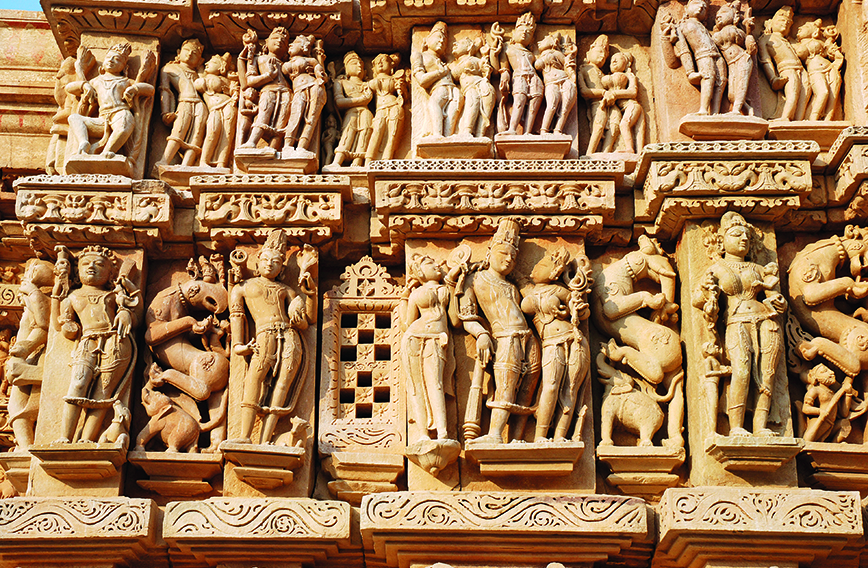
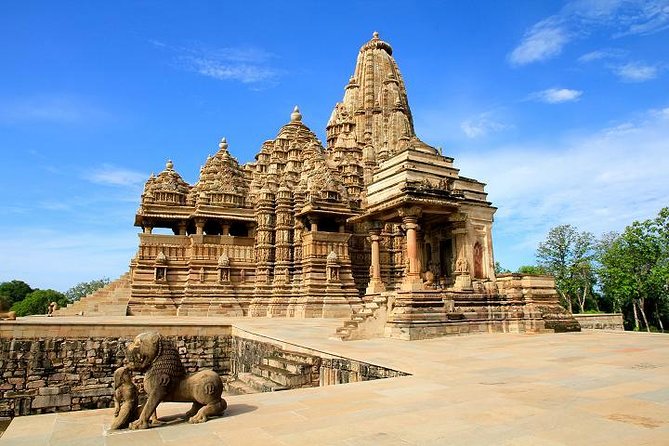
Khajuraho temples are built in the traditional Nagara architectural style, characterized by tall shikharas (spires) and elevated platforms. The temples are constructed primarily from sandstone.
- Intricately carved exterior walls
- Detailed sculptures of deities and daily life
- Symmetrical temple layout
- Grand entrance porches and mandapas
The carvings depict themes of spirituality, mythology, music, dance and human emotions.
Temple Groups
Western Group
The most famous group including Kandariya Mahadev Temple and Lakshmana Temple. This group attracts the majority of visitors.
Eastern Group
Contains Jain temples reflecting religious diversity during the Chandela period.
Southern Group
Includes Duladeo Temple and Chaturbhuj Temple.
UNESCO Recognition
Khajuraho Temples were declared a UNESCO World Heritage Site in 1986. They are recognized for their outstanding universal value and artistic excellence.
Travel Guide
- Location : Khajuraho Madhya Pradesh
- Timings : 8:00 AM – 6:00 PM
- Ticket : ₹40 Indian Visitors (Approx)
- Best Season : October to March
- Nearest Airport : Khajuraho Airport
Visitor Tips
- Visit early morning for better photography.
- Hire a guide to understand sculpture meanings.
- Attend the evening light and sound show.
- Respect the religious significance of temples.
Conclusion
Khajuraho Temples stand as a masterpiece of Indian temple architecture. Their artistic richness, spiritual symbolism and historical importance make them one of India’s most remarkable heritage destinations.