Introduction
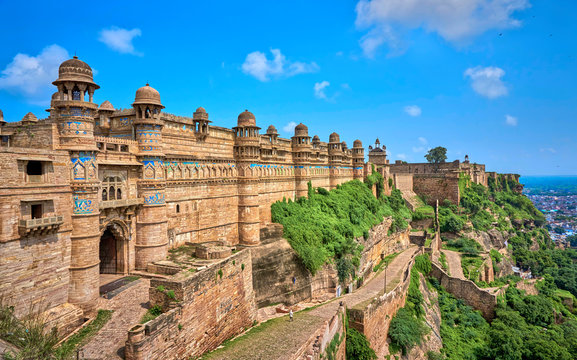
Gwalior Fort is one of the most magnificent hill forts in India, located in Madhya Pradesh. Standing on a massive sandstone plateau, the fort dominates the surrounding city skyline.
Because of its strong defensive position, it earned the title “Gibraltar of India.” For centuries, it served as a strategic military stronghold for several powerful dynasties.
Historical Background
The origins of Gwalior Fort date back more than a thousand years. It was ruled by Tomar Rajputs, Mughals, Marathas and later the Scindia dynasty.
Raja Man Singh Tomar transformed the fort into a magnificent royal residence during the 15th century. Later, Emperor Akbar used it as an important Mughal military base and prison.
The fort also played a role during the Revolt of 1857, making it significant in India’s freedom struggle.
Architectural Highlights
The massive complex contains palaces, temples and water reservoirs spread across the hilltop.
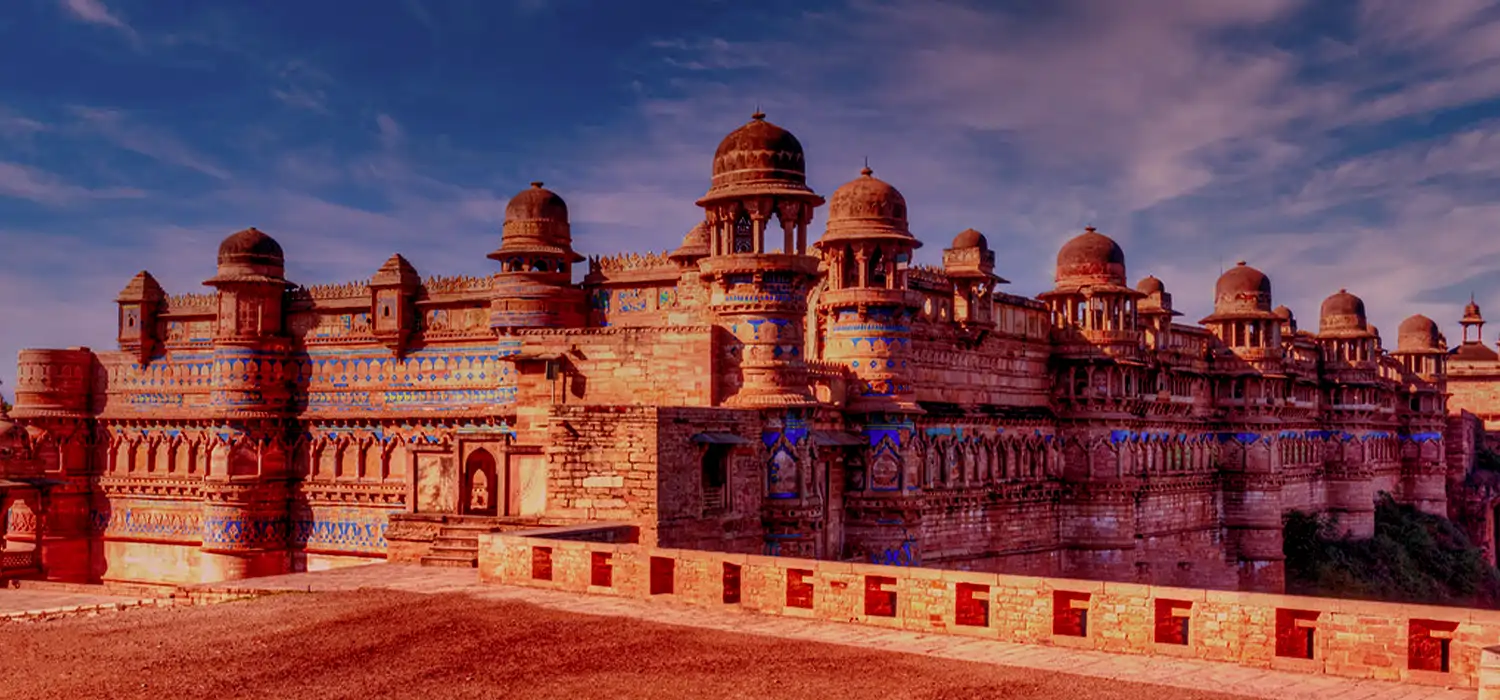
Man Singh Palace
Famous for its blue and yellow tile decorations featuring animal motifs. It is considered one of the finest Rajput palaces.
Gujari Mahal
Built by Raja Man Singh Tomar for Queen Mrignayani. Today it functions as an archaeological museum.
Temples and Sculptures
- Sas Bahu Temple
- Teli Ka Mandir
- Jain Rock Cut Statues
These monuments showcase Hindu, Jain and Mughal influences.
Cultural and Historical Importance
Gwalior Fort witnessed numerous battles and political transitions. It reflects centuries of architectural evolution and cultural diversity.
The fort continues to attract historians, architects and travelers interested in India’s medieval heritage.
Travel Guide
- Location : Gwalior Madhya Pradesh
- Timings : 6:00 AM – 6:00 PM
- Ticket : ₹40 Indian Visitors (Approx)
- Best Season : October to March
- Nearest Railway : Gwalior Junction
Visitor Tips
- Hire a guide to understand palace history.
- Visit early morning for photography.
- Carry water during summer months.
- Wear comfortable walking shoes.
Conclusion
Gwalior Fort stands as a timeless symbol of strength, royal luxury and architectural brilliance. Its grand palaces, temples and historic legacy make it one of India’s most impressive heritage destinations.